
Long-Distance Moving Tips for a Stress-Free Relocation

A long-distance move can make even a simple household feel complicated. You are not just packing boxes. You are coordinating dates, miles, paperwork, budgets, utilities, pets, vehicles, and the first few days in a new place.
The good news is that most moving stress comes from the same few pressure points: late planning, unclear costs, poor packing, and not knowing what you will need before the truck arrives. Once those are under control, the move becomes easier to manage.
Use these long-distance moving tips to plan earlier, pack smarter, avoid common surprises, and arrive with less chaos.

Start with a realistic moving timeline
A long-distance move has more moving parts than a local move, so give yourself more time than you think you need. If possible, begin planning 8 weeks before moving day. If the move is coming up faster, compress the schedule, but keep the same priorities.
A simple timeline can look like this:
Time before move | What to focus on |
8 weeks | Set a budget, research movers, sort belongings |
6 weeks | Get estimates, book services, gather records |
4 weeks | Start packing nonessential items |
2 weeks | Confirm schedules, submit address changes |
1 week | Pack essentials, clean, prepare travel plans |
Moving day | Check inventory, protect documents, do a final walk-through |
The earlier tasks matter most. Booking a mover, deciding what to take, and dealing with paperwork all affect the cost and stress level of the entire move.
If your timeline is short, do not try to do everything at once. Focus on the big three first:
Choose how your belongings will get there
Cut down what you are moving
Pack the items you will need right away separately
Those choices will make every later step easier.
Build a moving budget before you book anything
Long-distance moves often cost more than people expect because the final price depends on distance, weight or volume, labor, timing, and extra services. A low estimate can look attractive, but it may not include everything you need.
Start with the main costs:
Moving company, rental truck, or portable container
Packing supplies
Fuel, tolls, lodging, and meals
Insurance or valuation coverage
Vehicle shipping, if needed
Storage, if move-in dates do not line up
Pet travel costs
Utility deposits or setup fees
Cleaning services for the old or new home
Then add a cushion. A long-distance relocation often comes with small expenses that show up late: extra tape, a hotel night, a meal after the kitchen is packed, or a storage fee when delivery dates shift.
Ask every mover or rental provider what is included in the quote. Look for charges tied to stairs, elevators, long carries, bulky items, shuttle trucks, storage, or packing materials. A clear budget does not remove every surprise, but it helps you spot unrealistic prices before they become problems.
Choose the right moving option for your situation
There is no single best way to move across states or across the country. The right choice depends on your budget, schedule, physical ability, and how much control you want.
Full-service movers
Full-service movers handle loading, transportation, and unloading. Many also offer packing and furniture disassembly. This is the easiest option if you have a larger household, limited time, or heavy items.
Before hiring a mover, ask for:
A written estimate
The company’s USDOT number for interstate moves
Details on valuation coverage
A delivery window
A list of possible extra fees
Their cancellation or rescheduling policy
Avoid choosing only by price. A very low estimate can mean missing services or a quote that may change after pickup.
Rental truck
A rental truck gives you more control and can cost less, especially if you can load and drive it yourself. It also takes more work. You will need to handle fuel, route planning, parking, loading, unloading, and sometimes towing.
This option works best if you have help on both ends and feel comfortable driving a large vehicle over a long distance.
Portable moving container
A container company drops off a storage container, you load it, and the company transports it. This option gives you more time to pack and can be useful if your new home is not ready right away.
Ask how long you can keep the container, where it can be placed, and whether local rules or apartment policies require permission.
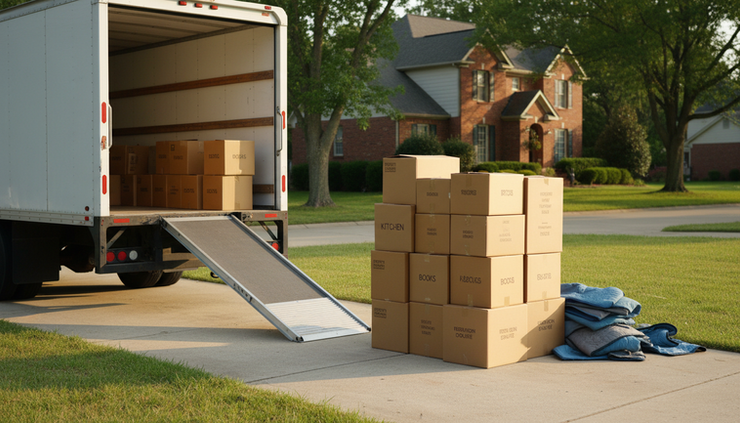
Declutter before you pack a single box
Every item you move costs space, effort, or money. Before packing, decide what is worth taking to the next home.
Work room by room and sort items into four groups:
Keep
Donate
Sell
Discard or recycle
Be strict with bulky items. A worn-out couch, old mattress, or heavy bookcase may cost more to move than to replace, especially if it does not fit the new space. The same goes for broken appliances, unused exercise equipment, and boxes that have not been opened since the last move.
Pay close attention to these categories:
Clothing
If it does not fit, feel good, or serve your new climate, let it go.
Kitchen items
Duplicates add up fast. Keep the tools you use often and donate extras.
Garage and storage items
Paint, chemicals, fuel, propane tanks, and some cleaning products may not be allowed on moving trucks. Check mover rules before packing anything flammable or hazardous.
Paperwork
Shred documents you no longer need, but keep tax records, IDs, medical records, lease agreements, home documents, school files, and moving paperwork safe.
Decluttering can be tiring, but it gives you a clear win. Fewer items mean fewer boxes, less loading time, and a cleaner start.
Pack for distance, not just convenience
Packing for a long trip is different from packing for a few blocks across town. Boxes may be stacked, shifted, carried multiple times, or stored briefly. Good packing protects your belongings during all of that handling.
Use sturdy boxes in similar sizes. A mix of weak, overfilled, and oddly shaped boxes makes loading harder and increases the chance of damage.
Follow these rules:
Use small boxes for books, dishes, tools, and heavy items
Use medium boxes for most household goods
Use large boxes only for light items like bedding and pillows
Fill empty spaces with packing paper, towels, or soft clothing
Tape the bottom and top seams well
Label boxes on at least two sides
A clear label should include the room and a short contents note. For example, write `Kitchen, pots and pans` or `Bedroom, winter clothes`. If a box is fragile, mark it clearly, but do not rely on that label alone. Pack it so it can survive normal handling.
For dishes, wrap each piece and pack plates vertically, like records. For electronics, take photos of cords before unplugging them. For furniture, keep screws and small parts in labeled bags taped to the item or packed in a clearly marked hardware box.
Create an inventory as you pack. It can be as simple as a notebook, spreadsheet, or phone note. Number each box and write a short description. This helps you check delivery and find missing items faster.
Keep an essentials kit with you
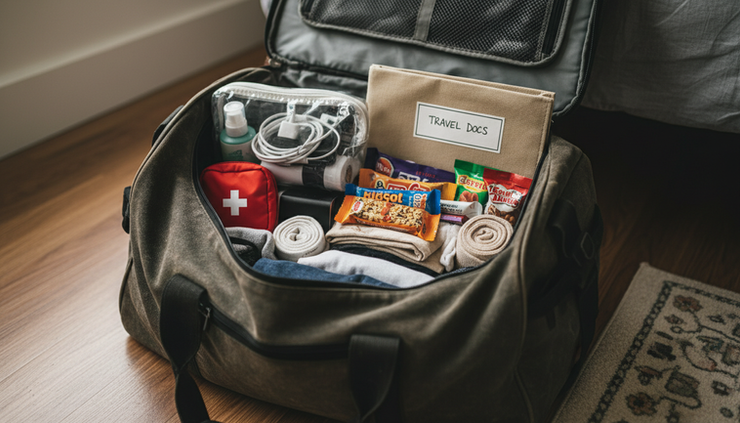
Do not put everything on the truck. Pack a personal essentials kit that travels with you in the car or on the plane. This kit should cover the first few days in case the moving truck arrives later than expected.
Include:
IDs, passports, birth certificates, and legal documents
Moving contracts and rental agreements
Medications and basic first aid
Chargers and power banks
Toiletries
A few changes of clothes
Pajamas and shoes
Snacks and refillable water bottles
Pet food, leash, litter, or medications
Basic tools
Paper towels, trash bags, and toilet paper
Sheets, towels, and a shower curtain
A small set of dishes or disposable options
If you have children, pack comfort items, school supplies, favorite snacks, and entertainment. If you have pets, keep their routine as steady as possible and avoid packing their bed or favorite toy until the last minute.
Think of this kit as your backup home. If you can eat, sleep, shower, charge your phone, and get through the first morning, you are in good shape.
Handle address changes and records early
Paperwork is easy to forget when boxes take over the house. Set aside one planning session for accounts, records, and address updates.
Start with the essentials:
USPS mail forwarding
Driver’s license and vehicle registration requirements
Voter registration
Banks and credit cards
Insurance providers
Employer payroll records
Medical, dental, and veterinary offices
Schools and transcripts
Subscriptions and delivery services
Utilities and internet
Online shopping accounts
Schedule utilities so you are not paying too long in two places, but avoid shutting off service too early. You may need power, water, and internet while cleaning or doing a final walk-through.
For medical needs, request prescription refills before the move. If you are moving far from current providers, ask for copies of records or instructions for transferring them.
Keep all move-related paperwork in one folder, physical or digital. Include estimates, receipts, inventory, contact names, policy details, and confirmation numbers. When something changes, you will know where to look.
Plan the travel part of the move
People often spend weeks planning the boxes and only a few minutes planning the actual trip. That can create avoidable stress.
If you are driving, check the route in advance. Look at weather, construction zones, tolls, and overnight stops. If you are driving a rental truck or towing a trailer, remember that some roads, bridges, parking garages, and hotel lots may be difficult or restricted.
Build a route that allows real breaks. Moving is tiring, and fatigue can make driving unsafe. If you are traveling with pets or children, plan shorter driving days and identify pet-friendly hotels or rest stops ahead of time.
If you are flying, compare baggage costs with shipping a few items. Keep documents, medication, keys, and irreplaceable items in your carry-on. Do not check anything you cannot afford to lose.
Vehicle shipping needs early coordination too. Ask about pickup windows, delivery windows, what can stay in the car, and how the vehicle should be prepared.
Prepare your old home for moving day
The final week is when a good plan either holds up or falls apart. Use it to make moving day as simple as possible.
Confirm:
Arrival time
Pickup and delivery addresses
Contact phone numbers
Parking access
Elevator reservations, if needed
Payment method
Inventory process
Items the mover will not take
Clear paths through the home. Remove rugs, cords, and clutter from walkways. Protect floors if needed. If you live in an apartment or condo, check rules for service elevators, loading zones, and move-out hours.
Defrost and clean the freezer if it is moving. Drain hoses from washers. Empty fuel from lawn equipment if required. Take photos of valuable items, furniture condition, and electronics before loading.
On moving day, stay available. Walk through the home with the crew, answer questions, and check that the inventory matches what is being loaded. Before the truck leaves, do one last sweep:
Closets
Cabinets
Attic
Basement
Garage
Shed
Dishwasher
Washer and dryer
Behind doors
Wall hooks and shelves
Small items are easy to miss when everyone is tired.
Make arrival easier before the truck shows up
The first day in a new home should not start with a search for soap, light bulbs, and a place to sleep. If possible, arrive before the moving truck and prepare the basics.
Clean key areas first: bathrooms, kitchen counters, floors, and bedrooms. Check that utilities work. Make sure the heat or air conditioning is running. Find the water shutoff, breaker box, and smoke detectors.
Decide where large furniture should go before unloading starts. A quick room plan can save hours of shifting heavy items later.
Place signs on room doors if the layout is not obvious. Labels like `Main Bedroom`, `Guest Room`, or `Kids’ Room` help movers put boxes where they belong. This matters more than it seems. A box placed in the right room is one less thing to carry after a long day.
As boxes come in, check them against your inventory. Note any visible damage before signing final paperwork. If something is missing or damaged, follow the mover’s claim process as soon as possible.

Unpack in the right order
Unpacking can feel endless, so start with the rooms that support daily life.
Begin with:
Beds
Bathrooms
Basic kitchen items
Clothing for the week
Pet or child needs
Work or school essentials
Do not unpack decorative items first. They can wait. Focus on sleep, hygiene, meals, laundry, and routines.
Break the work into small goals. Instead of saying, “We need to unpack the house,” choose a clear target like, “We will unpack the bathroom and set up the beds tonight.” That kind of progress feels better and prevents burnout.
Flatten empty boxes as you go. Keep packing paper in one area. If you plan to sell or give away boxes, keep them dry and sorted by size.
Give yourself time to settle
A stress-free relocation does not mean every moment feels calm. It means you have fewer urgent problems and more room to recover.
After the move, expect a short adjustment period. Groceries, routes, schools, work schedules, neighbors, trash pickup, and local services all take time to learn. Keep a running list of small tasks instead of trying to remember everything.
Within the first week, aim to:
Update any remaining accounts
Register vehicles if required
Find local medical care
Learn trash and recycling rules
Test keys, locks, and garage openers
Meet neighbors when it feels natural
Store moving receipts and documents
A long-distance move is a major project, but it does not have to be a mess. Plan early, reduce what you take, protect your essentials, and keep each stage simple. The goal is not a perfect move. The goal is to arrive safely, know where the basics are, and start the next chapter with enough energy to enjoy it.
Comments